The problem
Children in these settlements rarely leave school because they stop wanting to learn. They leave because their lives get disrupted. Families arriving from villages often lack the address proof and documents that city schools ask for. Families forced back to the village by floods or demolitions leave school behind mid-year. And when money is short, children are needed to help support household income.
Our mission
To ensure children can continue learning through all of these pressures, using open schooling, documentation support, bridge teaching, counseling, and role models from within their community.
Our approach →Our story
Deep ties to the community
Our founder, Vikram Singh, came to Delhi from his village in Uttar Pradesh in 2013 to study. He lived in these very jhuggis along the Yamuna while completing his B.A. He saw children around him drop out of school, and began teaching them. For the 13 years since, he has kept at it in whatever form he could: free classes, a school under the flyover, various disaster relief efforts and documentation drives.
Navyug Sanskriti Foundation formalizes this work. Vikram and co-founder Shrishti Verma, a lawyer who taught alongside him, are joined by Mihir Bhaskar and Smitha Cunigal, public policy researchers with experience in designing and evaluating programs. Together, we want to run this work from a stable base, measure how it is working, and share what we learn.
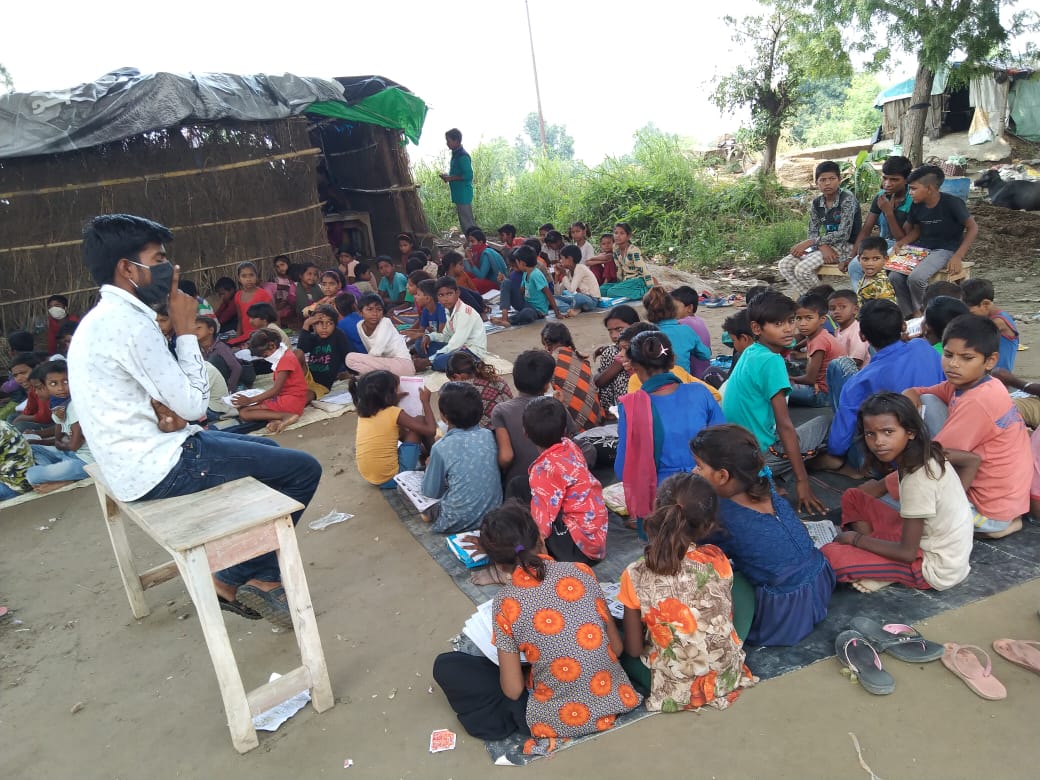
Where we work
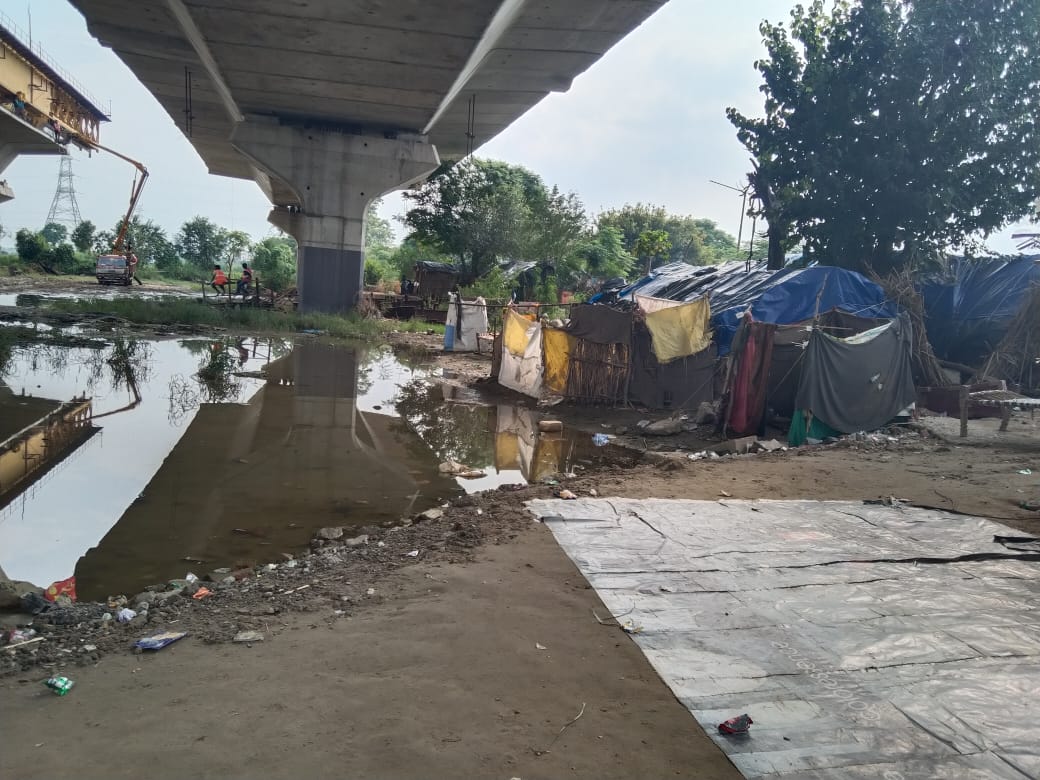
Settlements on the banks of the Yamuna River in Mayur Vihar Phase-I, Delhi
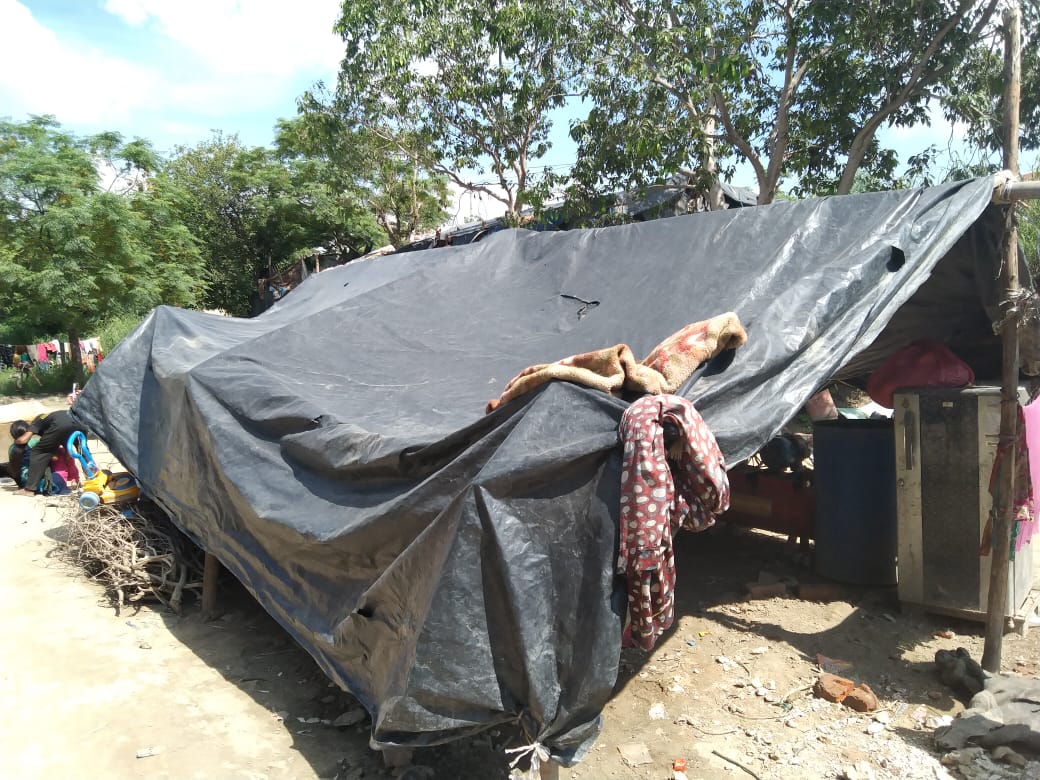
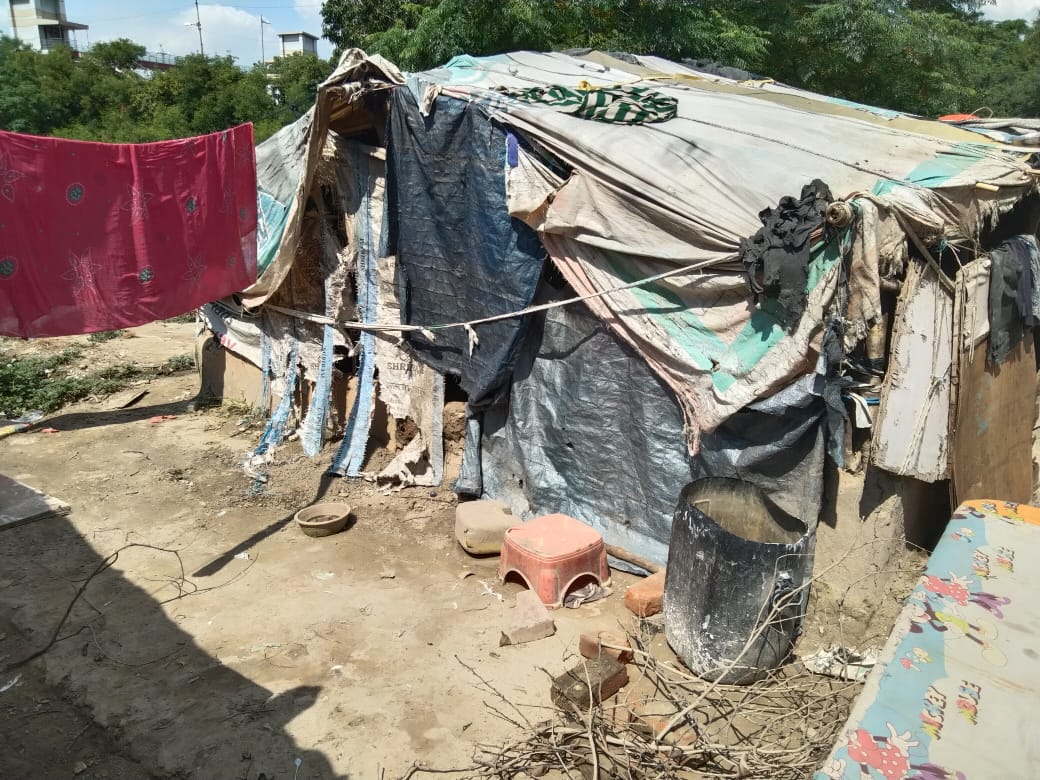
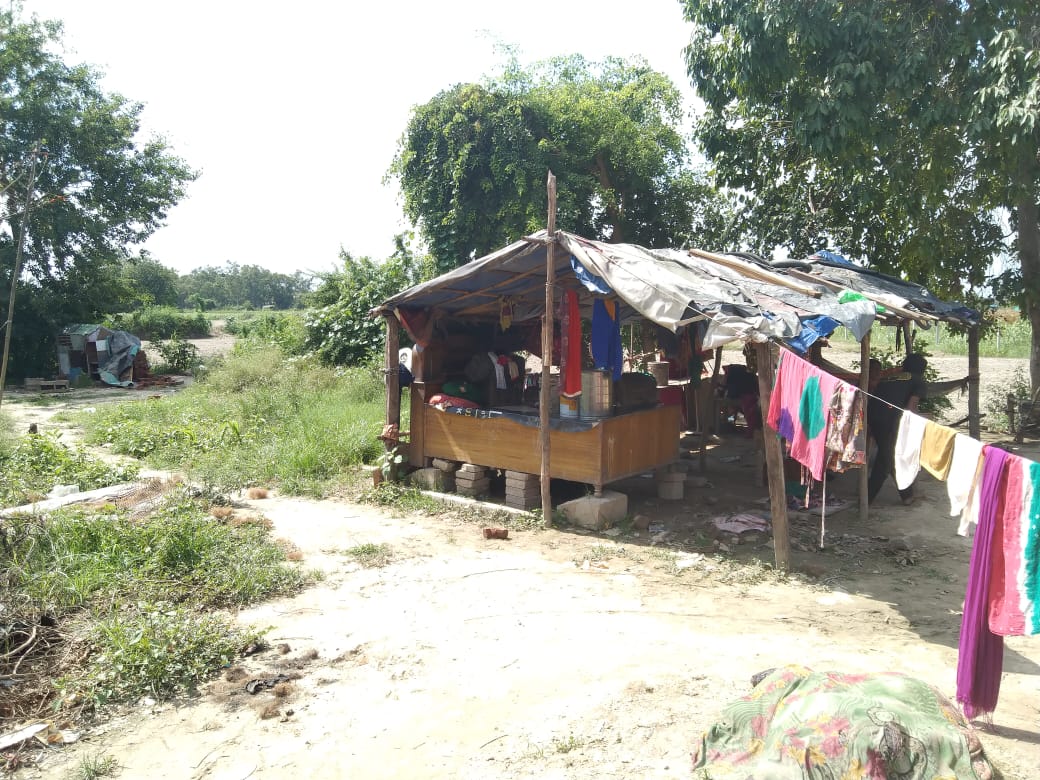
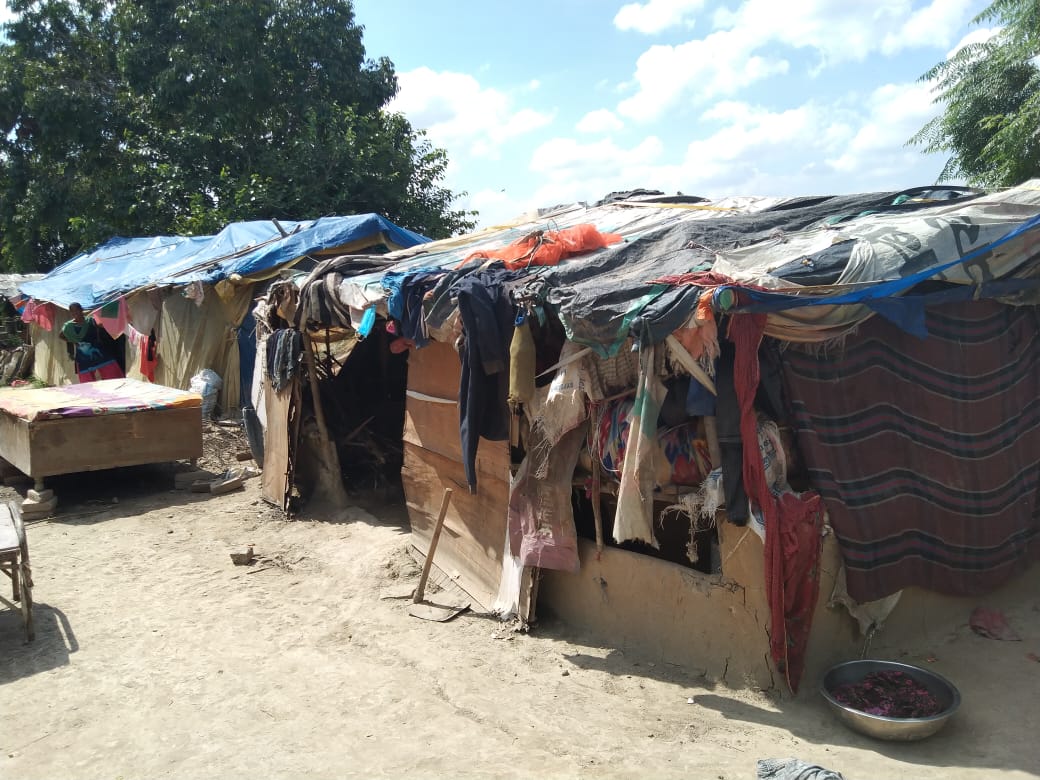
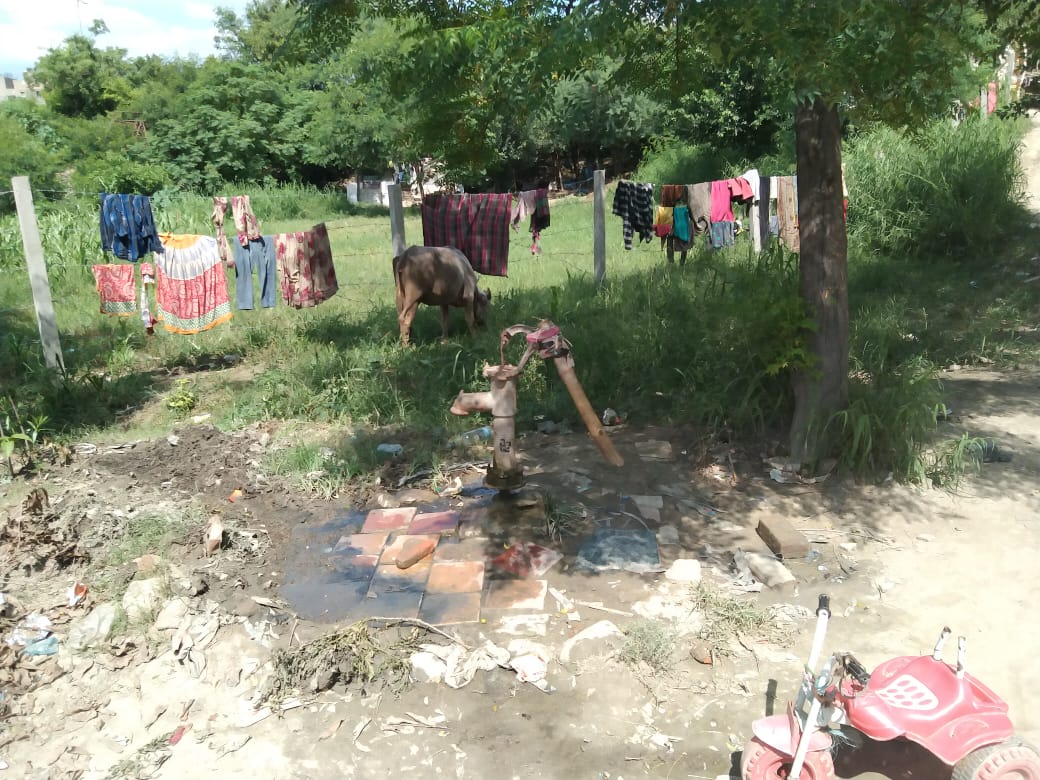
Our 2020 community census mapped ~1,500 households (6,385 individuals) living in these settlements. We estimated there were 400+ children who had either never attended school or had dropped out. Floods and DDA demolition drives regularly uproot families here, and each move is a point where a child's schooling can stop. More about the area →
You can see the specific areas we are focusing on highlighted in blue on the map below, and get a rough sense of how things look 'on the ground' through the pictures.
Explore
Our approach
Open schooling through NIOS, documentation support, bridge education, role models, and skilling.
Learn more →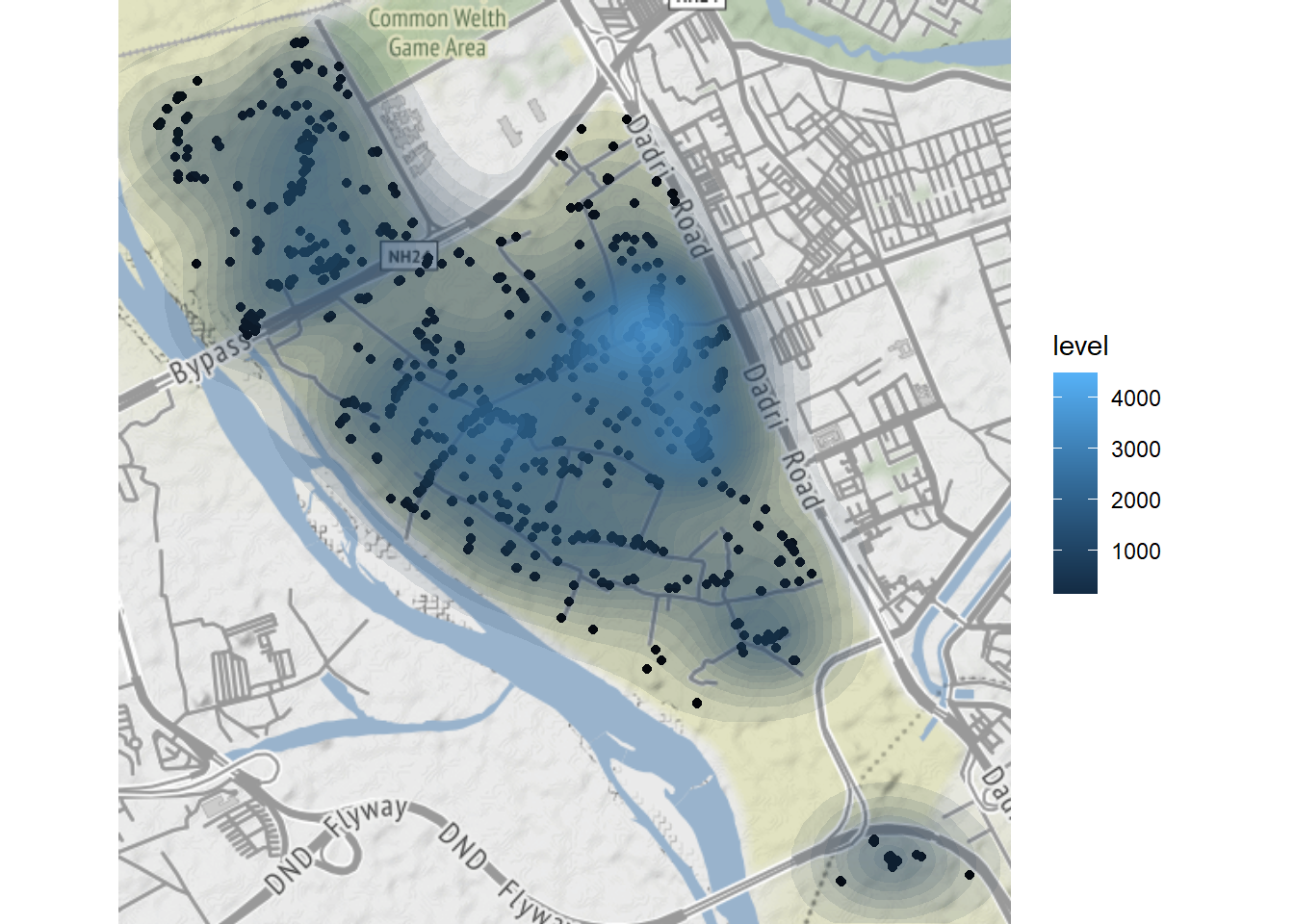
Surveys & research
To better understand the community we are serving, identify beneficiaries for our programs, and evaluate how our programs are working.
See the findings →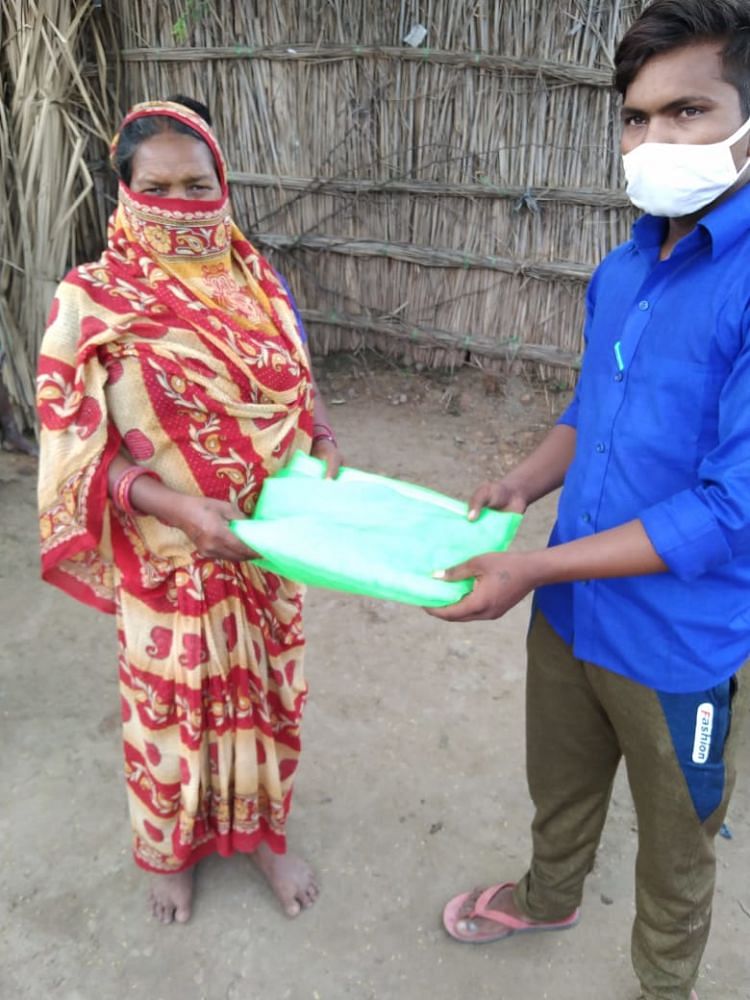
Relief & distribution
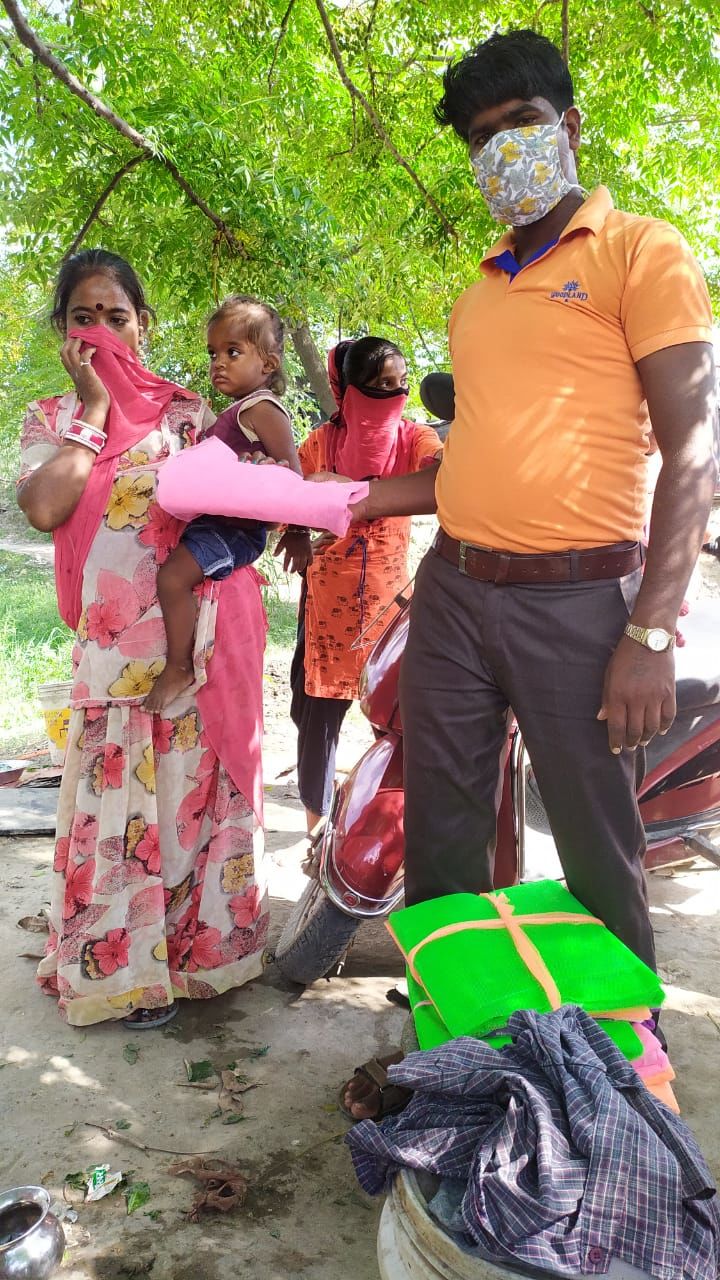
Fulfilling pressing short-term needs through targeted campaigns — e.g., distribution of mosquito nets in the monsoon, tarps for storm relief, and ration support.
Our impact →
Stories
Young people from this community who returned to education and went on to work.
Read their stories →Current pilot
Help 28 children return to learning
We identified 28 children who have dropped out early, are eager to learn, and whose families are willing to support them in returning to education. We are raising funds to teach, mentor, and support them.